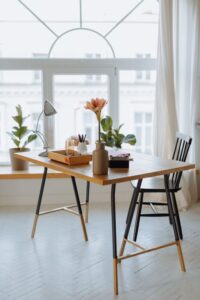
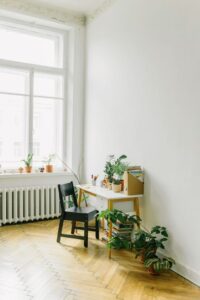

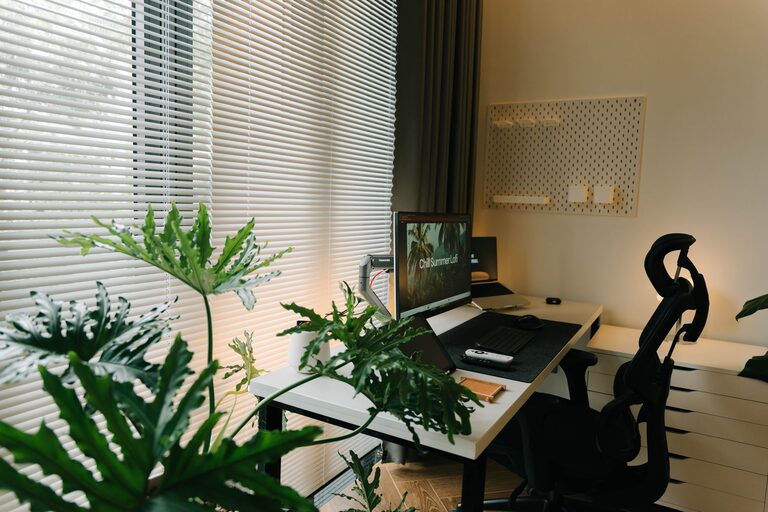
Creating a relaxing home office environment is key to boosting your productivity and maintaining a healthy work-life balance. When your workspace feels calm and comfortable, it can help reduce stress, increase focus, and make work tasks feel less overwhelming. Whether you’re working remotely full-time or occasionally from home, setting up an inviting office space can enhance your overall performance.
In this post, we’ll explore practical tips to help you design a relaxing home office that supports productivity and well-being.
Choose the Right Location
Start by selecting a quiet spot in your home that can serve as a dedicated office area. Ideally, this space should be away from heavy foot traffic and distractions like the television or noisy household appliances. Some common options include:
– A spare bedroom
– A section of your living room or bedroom
– A small nook or corner with a desk
Separating your workspace from where you relax makes it easier to mentally switch between work and downtime.
Invest in Comfortable and Functional Furniture
Comfort plays a big role in maintaining productivity. Choose ergonomic furniture that supports good posture to avoid discomfort and fatigue.
– Desk: Pick a desk that fits your space and provides enough surface for your computer, paperwork, and other essentials.
– Chair: An adjustable chair with lumbar support can prevent back pain.
– Accessories: Consider a footrest, wrist supports, or an adjustable monitor stand to personalize your setup.
Comfortable furniture encourages longer focus sessions and helps you stay engaged throughout the day.
Optimize Lighting for Comfort and Alertness
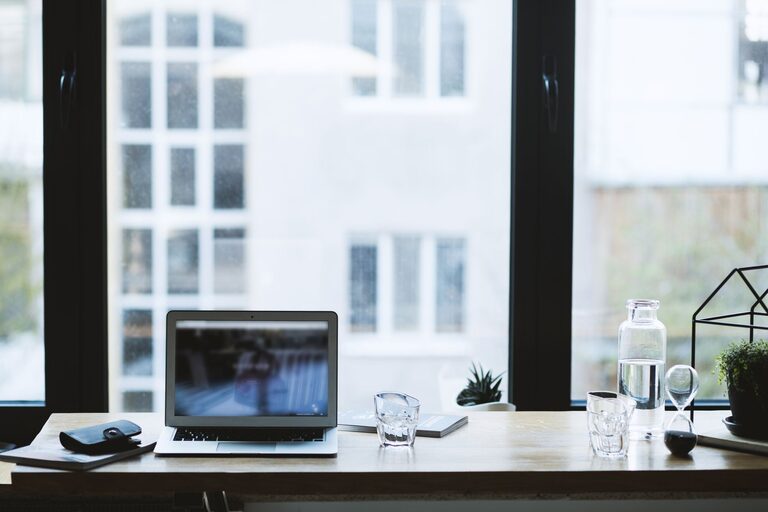
Proper lighting reduces eye strain and boosts alertness. Whenever possible, position your desk near a window to take advantage of natural light. This helps regulate your circadian rhythm and promotes a positive mood.
If natural light is limited, use layered artificial lighting:
– Ambient lighting: A ceiling or wall light to brighten the room evenly.
– Task lighting: A desk lamp with adjustable brightness to focus on work areas.
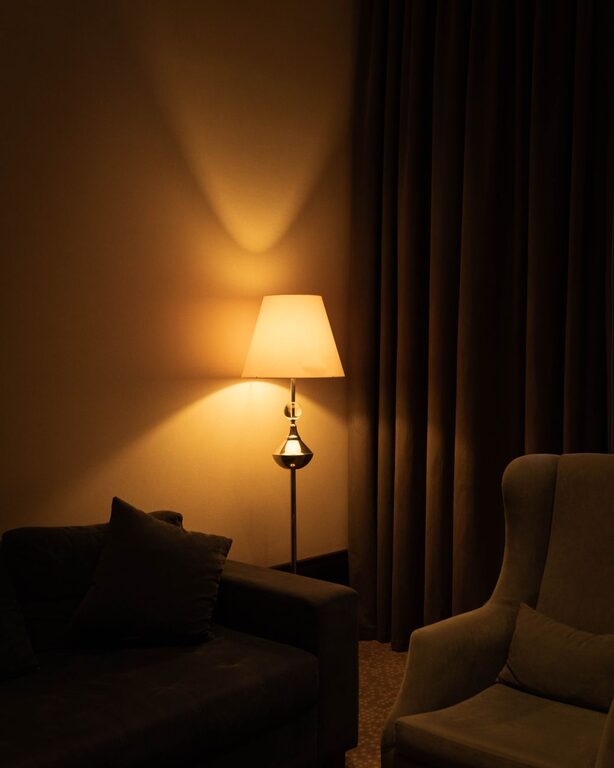
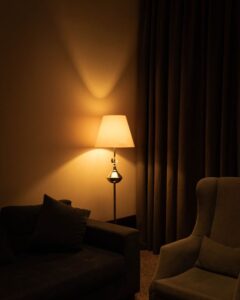
Avoid harsh fluorescent lights and glare on screens. Soft, warm lighting tends to be more relaxing.
Declutter and Organize Your Workspace
A tidy workspace can help minimize distractions and create a sense of calm. Spending a few minutes each day organizing your desk can make a big difference.
Try these strategies:
– Use drawer organizers or trays to keep supplies neat.
– Store papers in labeled folders or use digital tools to reduce paper clutter.
– Keep only frequently used items on the desk surface.
– Set up cable management systems to prevent tangled cords.
An organized environment helps clear your mind and allows you to focus better.
Add Soothing Elements to Your Office
Incorporating relaxing touches can make your home office feel inviting and reduce stress levels.
Consider including:
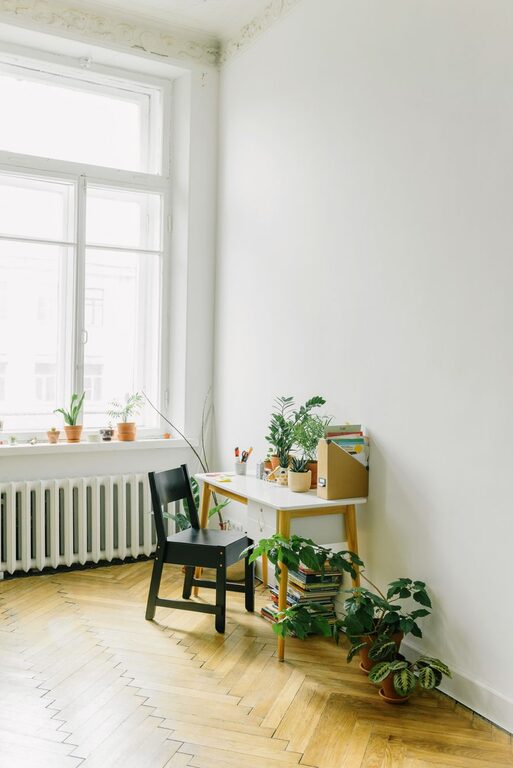
– Plants: Indoor plants improve air quality and add a natural, calming vibe.
– Artwork: Pictures or paintings that you enjoy create a pleasant backdrop.
– Aromatherapy: Use a diffuser with mild essential oils like lavender or eucalyptus to foster tranquility.
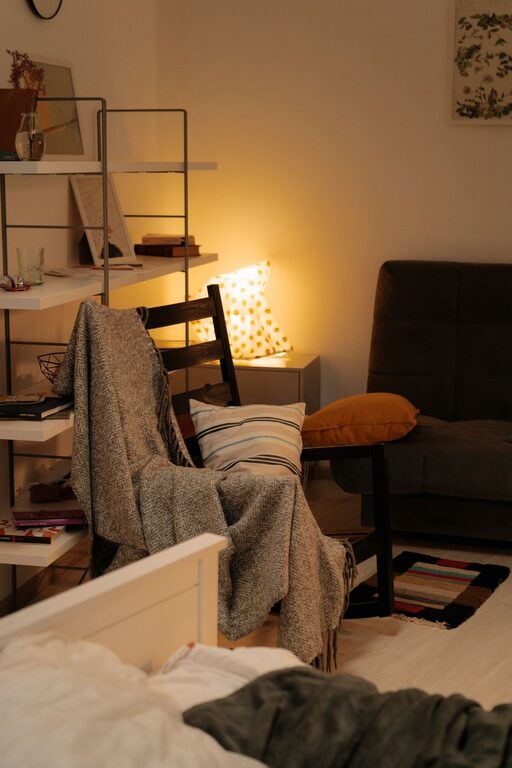
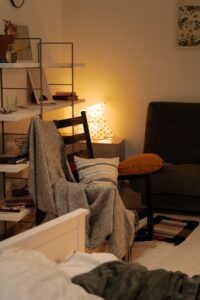
– Soft textiles: Cushions or rugs add warmth and comfort.
Balancing functionality with comfort promotes a positive workspace ambiance.
Establish Boundaries and Routines
To maintain productivity, set clear boundaries between work and personal time.
– Define your work hours and stick to them as closely as possible.
– Use visual cues, such as a closed door or a particular desk item, to signal work mode.
– Take scheduled breaks to stand, stretch, or move away from screens.
Consistent routines help condition your brain to focus during work hours and relax afterward.
Manage Noise Levels
Noise distractions can disrupt concentration and increase stress. Depending on your environment, try these tips to manage sound:
– Use noise-canceling headphones or earplugs.
– Play calming background music or white noise to mask disturbances.
– Install rugs, curtains, or acoustic panels that absorb sound if needed.
Choosing the right noise management method depends on your preferences and surroundings.
Personalize Your Space
Make your home office a place you enjoy spending time in by adding personal touches that inspire and motivate you.
Ideas include:
– Displaying photos or mementos that bring positive memories.
– Setting up a vision board or inspirational quotes.
– Choosing colors that promote calmness or creativity, such as soft blues or greens.
Personalization enhances your emotional connection to your workspace.
Maintain a Healthy Work Environment
Finally, consider your physical well-being to stay productive throughout the day.
– Keep water nearby to stay hydrated.
– Incorporate short stretching or breathing exercises during breaks.
– Ensure good air circulation by opening a window or using a fan.
Taking care of your health supports mental clarity and energy.
—
By incorporating these tips, you can create a relaxing home office that not only looks inviting but also supports your productivity and well-being. A peaceful and organized workspace helps you focus better and makes working from home a more enjoyable experience. Start small, make gradual improvements, and personalize your office to fit your needs and lifestyle.