
Creating a relaxing home workspace is essential for maintaining focus, reducing stress, and enhancing productivity—especially as more people embrace remote work. A well-designed workspace can help separate your work life from your personal life and provide an environment that encourages creativity and efficiency. Whether you have a dedicated room or a small corner, these tips will help you transform your home office into a peaceful and inspiring space.
Choose the Right Spot
Finding the ideal location for your workspace sets the foundation for comfort and productivity.
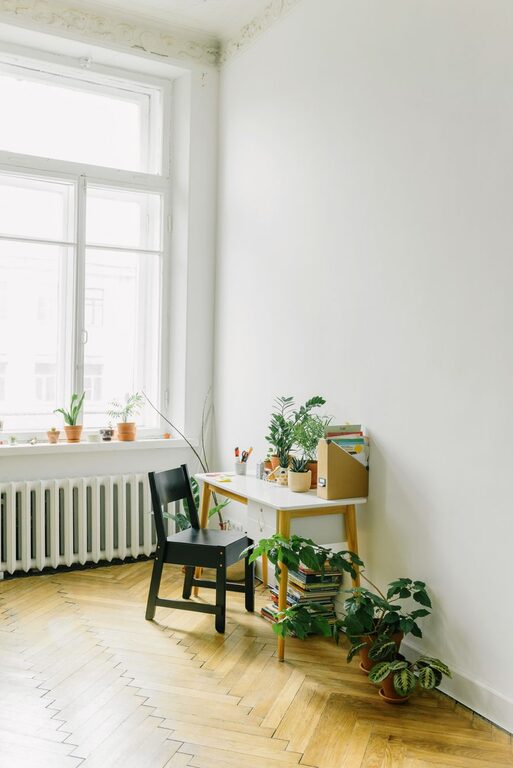
– Natural Light: Position your desk near a window to enjoy natural light. This not only brightens your space but can improve mood and energy levels.
– Quiet Area: Select a spot away from household noise or high-traffic areas. Minimizing distractions helps keep your mind focused.
– Space to Move: Even if your space is limited, make sure you have enough room to stretch and organize your materials.
Invest in Comfortable Furniture
Your chair and desk are the pillars of your workspace comfort and ergonomics.
– Ergonomic Chair: Choose a chair with good lumbar support and adjustable features to prevent back pain.
– Appropriate Desk Height: Your desk should be at a height that allows your arms to rest naturally while typing.
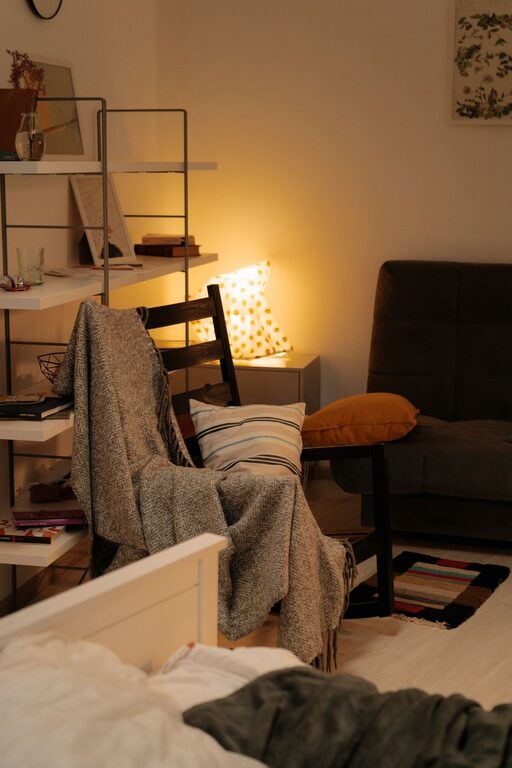
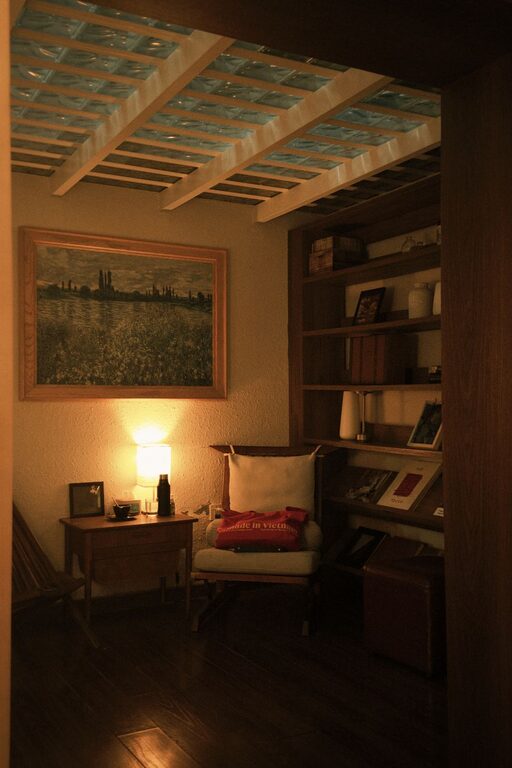
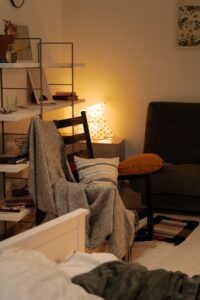
– Extra Seating: If space allows, add a small sofa or comfortable chair for reading or brainstorming sessions away from the desk.
Keep It Organized and Clutter-Free
A tidy workspace promotes clear thinking and reduces stress.
– Storage Solutions: Use shelves, drawers, and filing cabinets to keep documents and supplies organized.
– Cable Management: Use clips or cable sleeves to prevent cords from tangling or cluttering your desk.
– Daily Cleanup: Take a few minutes at the end of each day to tidy your workspace, setting a fresh tone for tomorrow.
Use Calming Colors and Decor
Colors and decor can influence your mood and productivity.
– Soft, Neutral Colors: Shades like soft blues, greens, and earth tones are known to have calming effects.
– Personal Touches: Add items that inspire you—like framed photos, plants, or artwork—without overcrowding your space.
– Minimalist Design: Keep decorations minimal to avoid overwhelming the senses and distracting your attention.
Incorporate Plants and Natural Elements
Bringing a bit of nature indoors can improve air quality and create a more relaxed vibe.
– Easy-Care Plants: Consider low-maintenance plants such as snake plants, pothos, or succulents.
– Natural Materials: Use wood, stone, or woven textures in your desk accessories or furniture.
– Fresh Air: Occasionally open windows to let fresh air circulate and refresh your environment.
Manage Lighting Effectively
Good lighting reduces eye strain and improves focus.
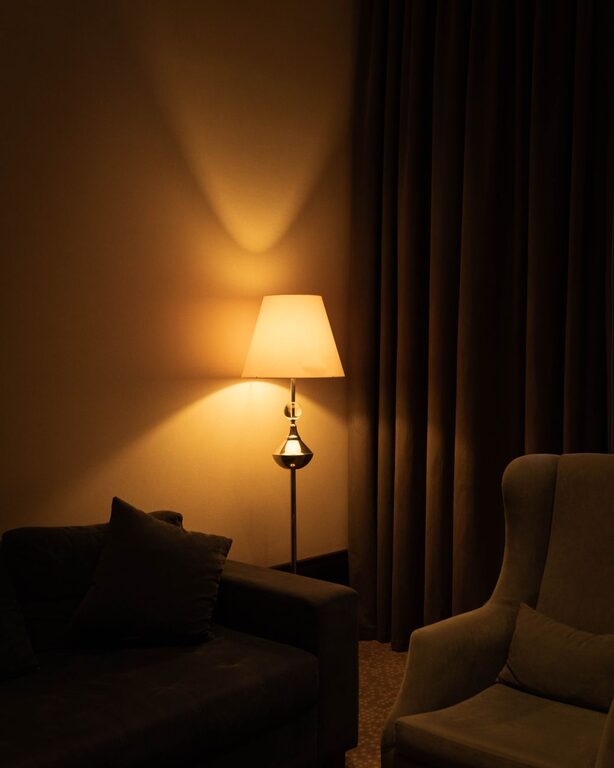
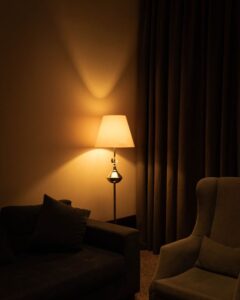
– Layered Lighting: Combine ambient overhead lighting with task lighting, like desk lamps that provide direct illumination.
– Adjustable Lights: Use dimmable lamps to customize brightness levels throughout the day.
– Reduce Glare: Position screens and lights to minimize glare and reflections, making it easier to work for longer periods.
Implement Soothing Sounds
Sound has a powerful influence on concentration and relaxation.
– Background Music: Choose instrumental or nature sounds playlists that encourage focus without distractions.
– Noise-Canceling Headphones: These can help block unwanted noise when needed, especially in shared spaces.
– Quiet Time: Plan quiet periods during your workday for tasks that require intense concentration.
Establish Boundaries and Routine
Creating mental and physical boundaries helps maintain a balance between work and relaxation.
– Defined Work Hours: Set a schedule and stick to it to avoid burnout.
– Clear Visual Boundaries: Use room dividers, curtains, or rugs to separate your workspace from living areas.
– Break Spaces: Have a separate area or routine for breaks, signaling your brain it’s time to rest.
Final Thoughts
Designing a relaxing home workspace is about combining comfort, functionality, and personal style. By choosing the right location, furniture, and decorations, and by keeping your space organized and calm, you can create an environment that supports your well-being and your work goals. Remember, your workspace should be a place where you feel motivated and at ease—invest the time and care, and it will pay off in your productivity and happiness.