
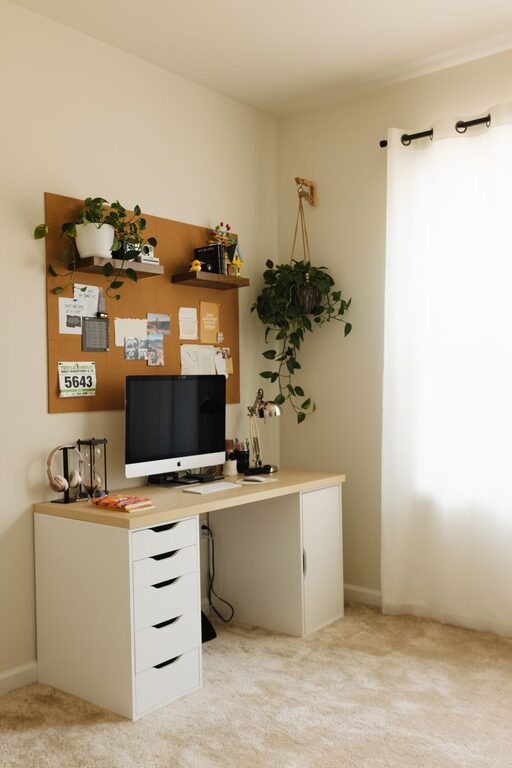
Creating a relaxing home office environment is essential for maintaining focus and well-being during your workday. Whether you work remotely full-time or occasionally, a space that promotes calmness and comfort can enhance your productivity and overall mood. In this article, we’ll explore practical tips to help you build a home office that feels inviting, organized, and stress-free.
Why a Relaxing Home Office Matters
Working from home blends your personal and professional life, making it crucial to have a space that supports concentration without feeling overwhelming. A soothing environment can:
– Reduce stress and anxiety
– Improve focus and creativity
– Encourage a healthy work-life balance
– Increase motivation and job satisfaction
Now, let’s dive into key strategies to create that ideal home office atmosphere.
Choose the Right Location
Find Natural Light
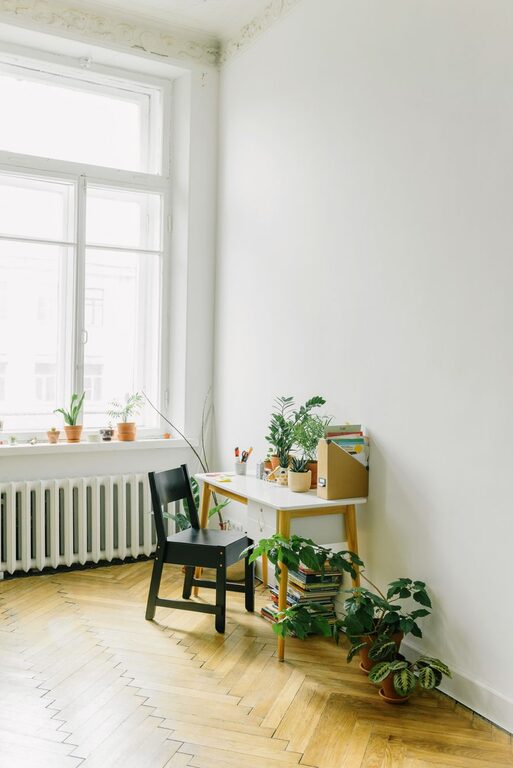
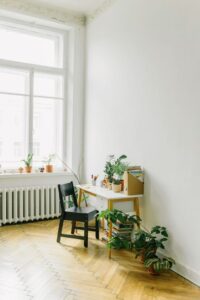
Natural light has a remarkable effect on mood and alertness. Whenever possible, position your desk near a window to enjoy daylight. This also helps reduce eye strain from artificial lighting.
Consider Noise Levels
Select a quiet area away from household distractions. If complete silence isn’t possible, consider noise-canceling headphones or a white noise machine to maintain focus.
Embrace Comfort and Ergonomics
Invest in an Ergonomic Chair
A comfortable chair that supports your posture is crucial for long working hours. Look for adjustable features like lumbar support and seat height.
Use an Adjustable Desk
If budget allows, a sit-stand desk promotes movement throughout the day, which can ease stiffness and improve energy.
Arrange Your Desk for Efficiency
Keep essential items within reach and clear the clutter. Use organizers or trays to keep supplies tidy.
Personalize with Calming Colors and Decor
Choose Soothing Colors
Soft blues, greens, and neutrals tend to create a peaceful atmosphere. Avoid overly bright or intense colors that might increase stress or distraction.
Add Natural Elements
Plants are an excellent way to bring life and calmness into your space. They improve air quality and add a touch of nature, leading to a more relaxed vibe.
Incorporate Meaningful Items
Decorate with a few personal items like photos, artwork, or motivational quotes that inspire but don’t clutter your space.
Manage Lighting and Screen Setup
Balance Ambient and Task Lighting
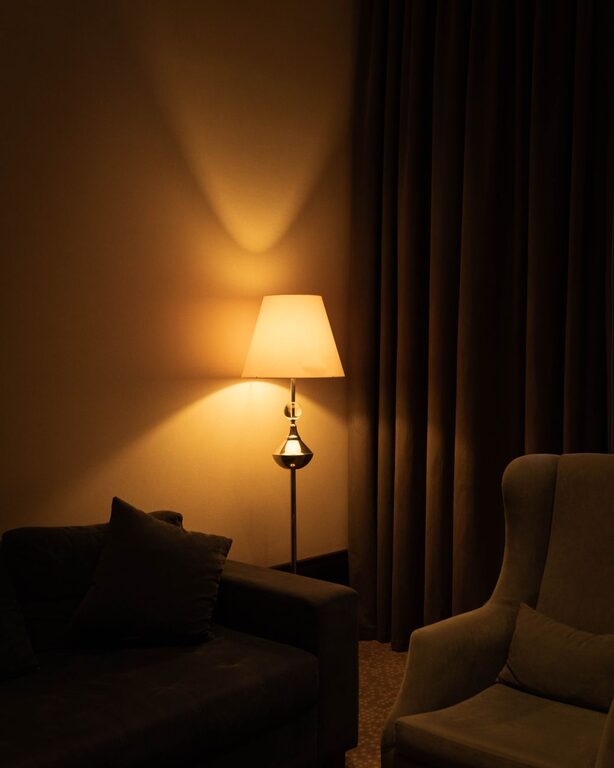
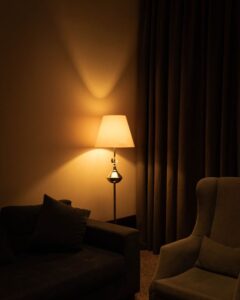
Use a combination of overhead lighting and desk lamps to avoid harsh glare or shadows. Adjustable lamps allow you to direct light where you need it most.
Position Monitors Properly
Place your computer screen at eye level, about 20-30 inches away. This helps reduce neck strain and eye fatigue.
Establish Organization Systems
Declutter Regularly
Take a few minutes each day to tidy your workspace. Clutter can cause stress and decrease efficiency.
Use Storage Solutions
Drawers, shelves, and filing systems keep documents and supplies organized. Label containers to find what you need quickly.
Digitize When Possible
Reduce paper clutter by scanning documents and using digital planners or note-taking apps.
Incorporate Relaxation Breaks and Mindfulness
Schedule Short Breaks
Take brief pauses every hour to stretch, breathe, or walk around. This recharges your energy and clears your mind.
Create a Relaxation Corner
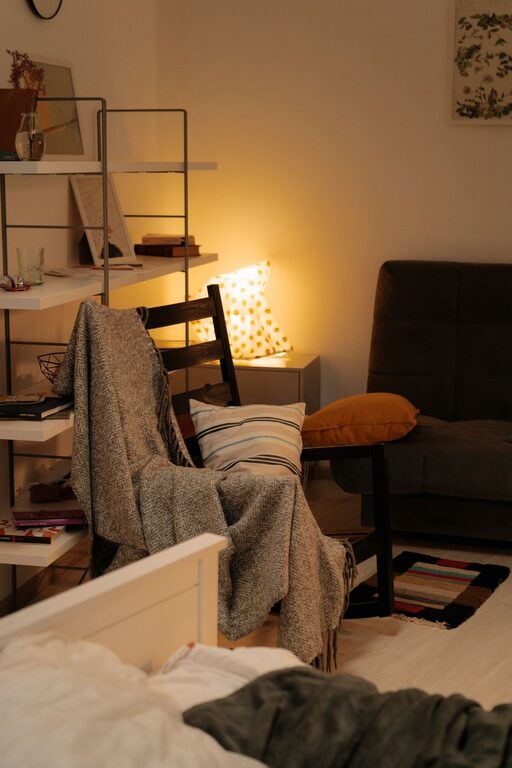
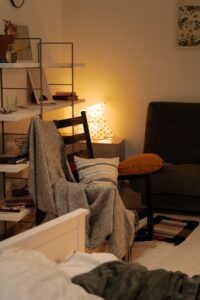
If space permits, a small corner with a comfy chair or floor cushion can be your spot for quick meditation or deep breathing.
Maintain Good Air Quality and Temperature
Ensure Proper Ventilation
Fresh air can improve concentration and comfort. Open windows when possible or use an air purifier.
Keep Temperature Comfortable
Adjust heating or cooling to a level that keeps you comfortable without distraction.
Minimize Digital Distractions
Turn Off Non-Essential Notifications
Limit interruptions from social media, emails, or apps during focus periods.
Use Focus Tools
Apps or browser extensions that block distracting websites can help maintain concentration.
Conclusion
Designing a relaxing home office environment involves balancing comfort, organization, and personal touches. By choosing a suitable location, investing in ergonomic furniture, incorporating soothing colors and natural elements, managing lighting, and keeping your workspace organized, you create a place where work feels less like a chore. Remember to take breaks, breathe, and invite calm into your daily routine. With these tips, your home office can be a peaceful haven that supports your productivity and well-being.